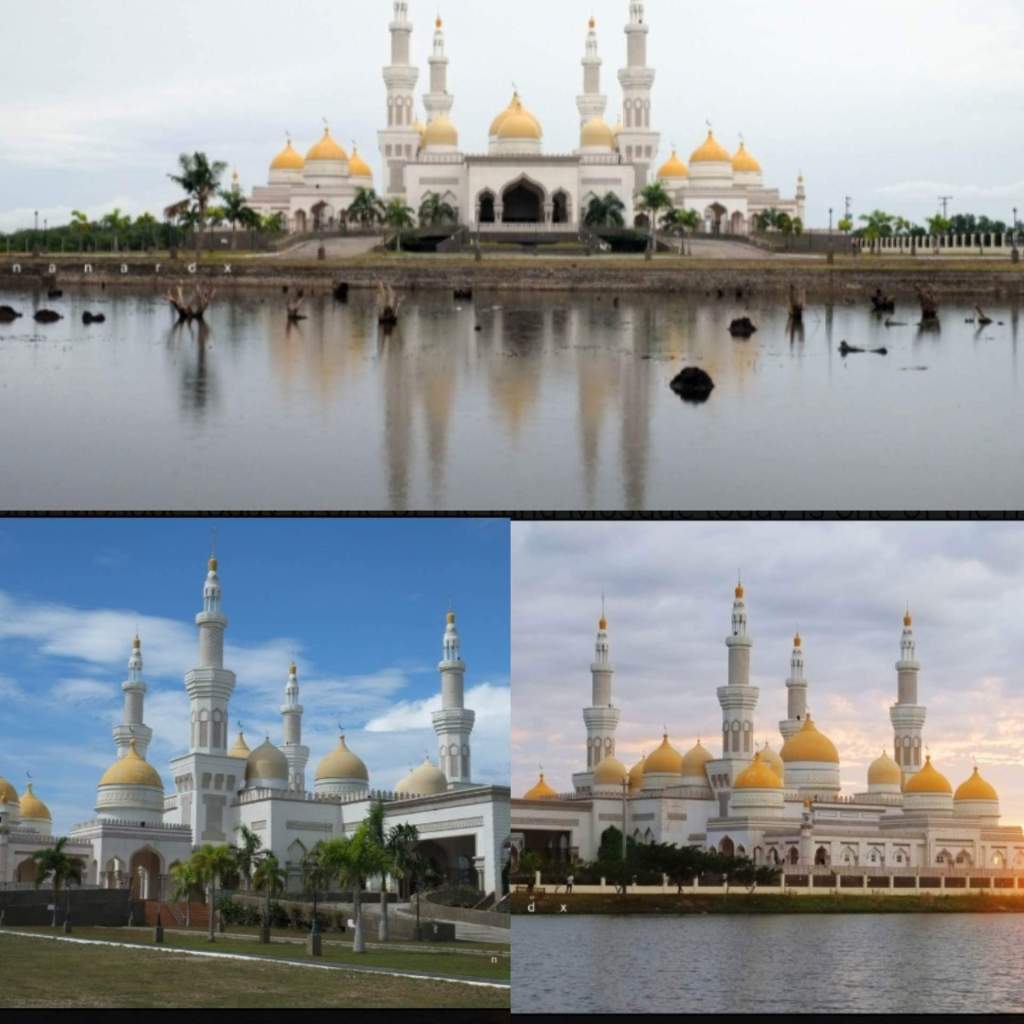
1st GRAND MOSQUE OR GOLDEN MOSQUE
Sultan Hassanal Bolkiah Masjid, also known as the Grand Mosque or Golden Mosque is the biggest and grandest mosque in the Philippines. It is named after the sultan of Brunei who according to reports contributed US$40 million for its construction.The Grand Mosque today is one of the most visited attractions in Cotabato City.
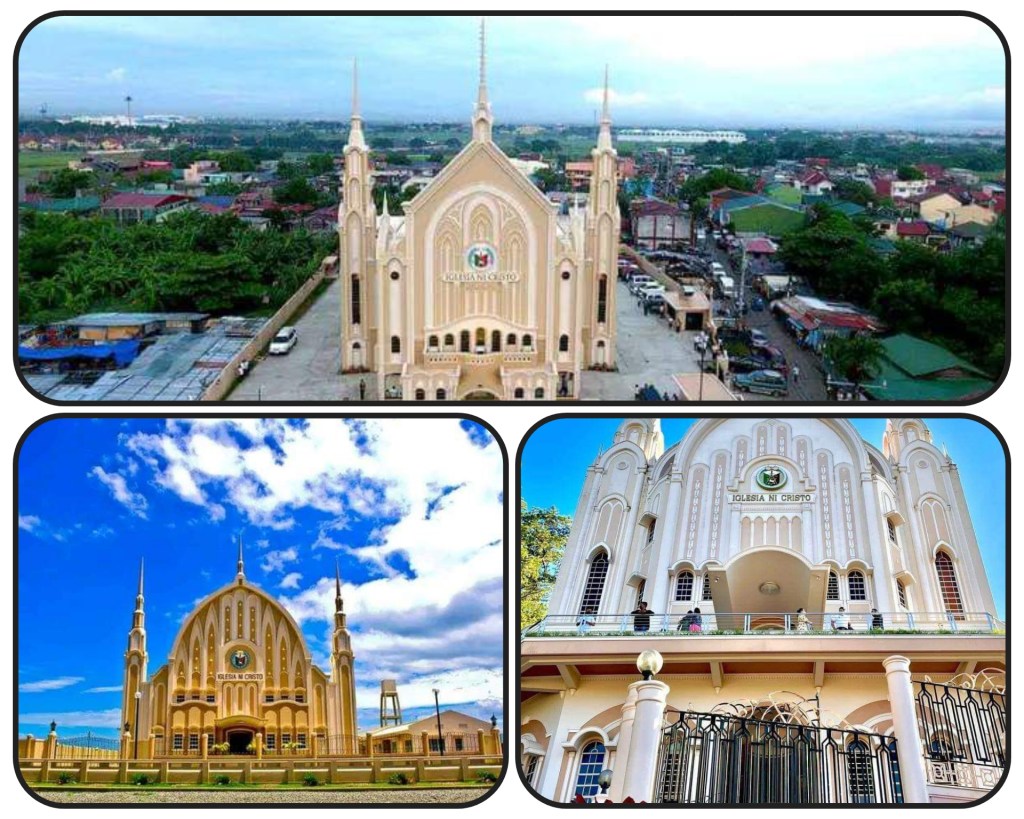
2nd We have the Iglesia ni Cristo
Iglesia ni Cristo (Tagalog, “Church of Christ”) claims to be the true Church established by Christ. Felix Manalo, its founder, proclaimed himself God’s prophet.
Since it was founded in the Philippines in 1914, it has grown to more than two hundred congregations in sixty-seven countries outside the Philippines, including an expanding United States contingent. The Iglesia keeps the exact number of members secret, but it is estimated to be between three million and ten million worldwide. Iglesia is not better known, despite its numbers, because the majority of Iglesia’s members are Filipino.
The organization publishes two magazines, Pasugo and God’s Message, which devote most of their energies toward condemning other Christian churches, especially the Catholic Church. The majority of the Iglesia’s members are ex-Catholics. The Philippines is the only dominantly Catholic nation in the Far East, with 84 percent of its population belonging to the Church. Since this is its largest potential source of converts, Iglesia relies on anti-Catholic scare tactics as support for its own doctrines, which cannot withstand biblical scrutiny.
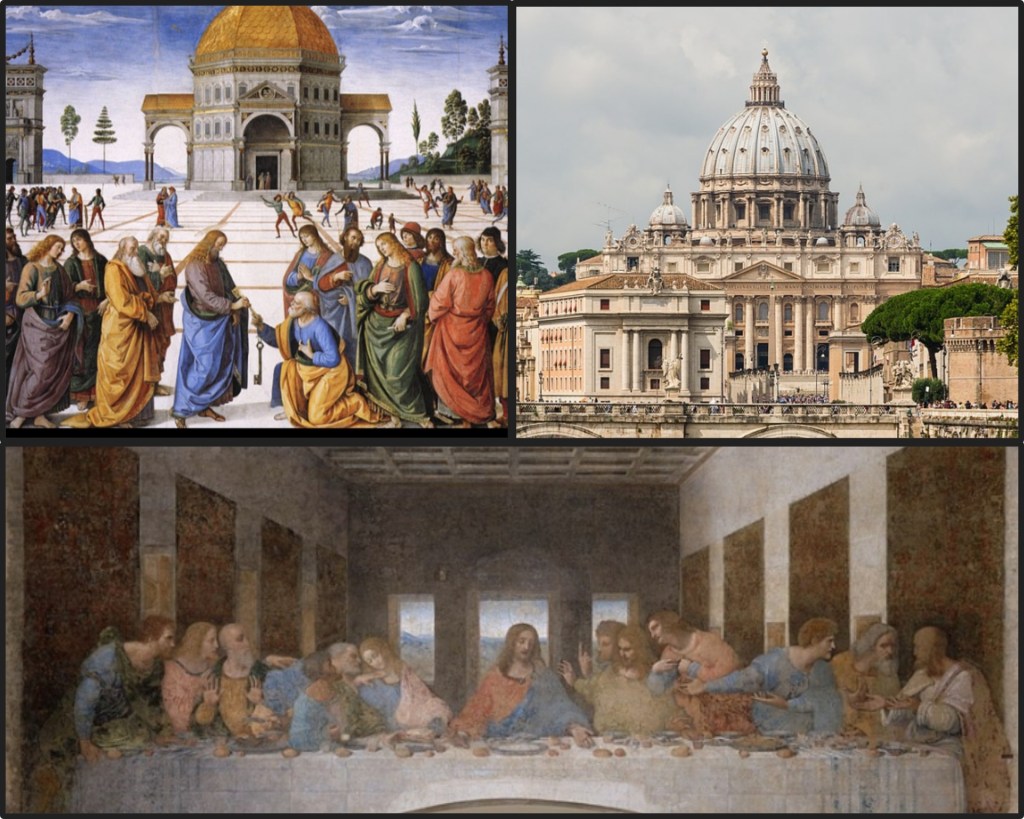
And last we have a Catholic church
The Roman Catholic Church is an ancient religious institution boasting over a billion members worldwide. As such, it is the largest Christian ecclesiastical body in the world. Because of this alone, it is important to have an accurate understanding of the Roman Catholic Church’s history and beliefs.
Where did the Roman Catholic Church come from?
The Church at Rome, which would later develop into what we know as Roman Catholicism, was started in the apostolic times (circa AD 30-95). Although we do not have records of the first Christian missionaries to Rome, it is obvious that a church existed there as the New Testament Scriptures were being written. St. Paul himself wrote an epistle to the church at Rome, and the Book of Acts records some of his dealings there. St. Clement of Rome (ca. 35-99), St. Ignatius of Antioch (35-108), and St. Irenaeus of Lyons (130-202) all speak as if St. Simon Peter ministered in Rome, serving as its first bishop (the term “bishop” is an English contraction of the biblical Greek word episkopos, often translated as “overseer” in modern Protestant translations of the New Testament). Tertullian (ca. 155-240) reported that Peter died in the same place as Paul, and it is commonly believed that Paul was martyred in Rome. Since both Peter and Paul were such important and prominent apostles, Rome became an important pilgrimage site for Christians who wanted to visit their graves and worship near where they were buried.
Because of the tie to Peter and Paul (as well as the fact that Rome was the capital city of the western portion of the Roman Empire), the bishop of Rome became the most prominent of the western Christian ecclesiastical leaders, and he received deference from church leaders from other parts of the Empire as well. After Christianity was legalized and the Church continued to fight heresies in various councils and synods, the Pope and his emissaries weighed in on very important doctrinal issues. The Church at Rome kept meticulous records, and it was often further removed from the theological innovations and conflicts that erupted in the East in important cities such as Alexandria, Antioch, and Constantinople. Therefore, her witness on theological matters carried much weight, and the Roman church was given the greatest prerogative of honor, as declared in the third canon of the First Council of Constantinople.
 Site Title